










Delays are often linked to verification checks, not the broker “holding” funds. Tools like personalised trading insights are designed to help traders recognise patterns such as overtrading or emotional decisions, without interfering with how they trade. In other regions, the group operates under regulators like the Financial Sector Conduct Authority and the Labuan Financial Services Authority, which are designed to support local and regional markets. This separation is important because it limits what the broker can do with your funds. Client money isn’t meant to be used for business expenses, hedging activities, or internal cash flow.
Demo Accounts and Platform Testing
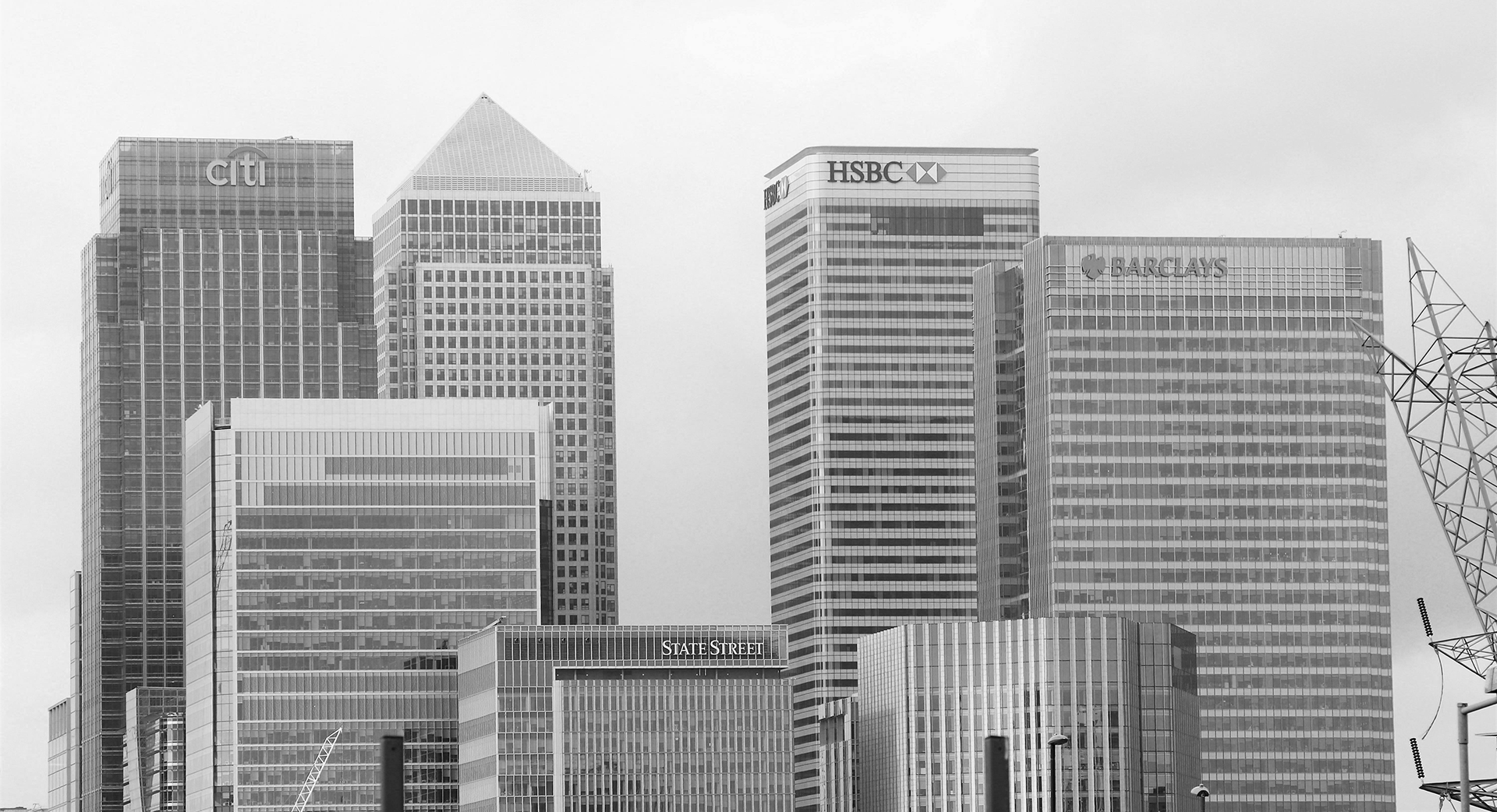
I thus assessed its trading fees, as a whole, to fall below the industry average. Traders can choose between the popular MetaTrader 4&5 and cTrader platforms. The latter has lower commissions, a more intuitive design, and is generally more feature-rich. What I also like more about cTrader is that it gives me greater flexibility to scale price action up and down. IC Markets was founded in 2007, holds a couple of top-tier licenses, and offers a broad range of tradable instruments from different markets including FX pairs, commodities, CFD shares, indices, and more. It has a couple of top-tier licenses and maintains excellent execution standards.
Local Insights for U.S. Traders
The broker provides the trading platform, displays price quotes, and manages how your orders are executed. A forex broker is the intermediary that gives you access to the market through CFDs, providing the platform, prices, and order execution. When you buy or sell, your trade is filled based on the broker’s execution model, which is why spreads exist and slippage can appear in fast markets. Having been a retail trader since 2013, Plamen has gained an in-depth understanding of the challenges that novice traders face today. His expertise is swing trading and day trading with a heavy emphasis on psychological and fundamental analysis.
Net Capital Calculation
- I was fortunate enough in my early twenties to have a friend that recommended a Technical Analysis course run by a British trader who emphasized raw chart analysis without indicators.
- For businesses facing urgent opportunities or cash flow pressures, this speed can make all the difference.
- Choosing a reliable forex broker is essential for traders who want to succeed in the forex market.
- Finally, traders should evaluate the broker’s trading platform, which should be user-friendly, stable, and feature-rich.
- Market rate housing also tends to be more expensive, especially in neighborhoods with high demand.
- It provides high leverage, low minimum deposits, and multiple trading platforms, but operates without regulatory oversight, increasing potential risks for traders.
Unregulated lending is not a modern invention — it’s as old as commerce itself. Long before the rise of central banks and financial regulators, communities relied on alternative lenders to provide credit when traditional sources were unavailable. Merchants extended credit lines to trading partners, local moneylenders helped families bridge seasonal gaps, and early industrialists sought capital from private financiers when banks were unwilling to take the risk. Traditional financial institutions, weighed down by layers of regulation, compliance procedures, and rigid lending criteria, often move slowly. That freedom allows them to act more like business partners than bureaucrats, tailoring solutions in real time and responding to the ever-shifting pressures companies face. A regulated broker is a licensed company supervised by a financial authority to ensure it operates fairly and protects client funds.
Bonus-Related Issues and Trading Restrictions
By evaluating the broker’s regulation and credibility, traders can minimize their risks and protect their capital. FxScouts’ Broker Score and Trust Rating constantly evolve to reflect the forex market’s dynamics. We ensure transparency by incorporating regulator data and user insights. Our in-depth reviews consider over 200 metrics across seven key categories.
Can I use an unregulated Forex broker in the USA?
Copy trading remains in demand, but overall interest trails that of other comparable economies, which mirrors foreign direct investment flows. Offshore Forex brokers accept Latvian-resident Forex traders, primarily from EU-regulated subsidiaries. Latvian Forex traders generally prefer Forex brokers with ties to Scandinavian or Baltic countries and value reputation over competitiveness.
Is forex trading actually safe?
If it is not, the website should tell you an address for the head office of the brokerage and from this you can tell that it should hopefully be regulated in this country. If the website does not give you at least this, it is a strong sign that this broker is not regulated – for obvious reasons, brokers which are completely unregulated do not usually advertise that fact. If you have a country from which the broker operates, you can find the relevant regulatory body and you should be able to search their website to find whether this broker is within their published list of regulated Forex brokers. Forex brokers usually launch with regulation in only a single country. Obtaining such regulatory approval is usually not an easy achievement, especially in jurisdictions with stricter regulation.
Get Help Fast: Contacting Pionex Customer Support
Russia has a few brokers of note and has provided some of the most talented individuals who helped found the online trading industry in the 1990s. Some of the leading retail Forex brokers operational today were founded by Russians, but they operate outside Russia. Unfortunately, due to a combination of scandals and financial overreach, the reputation of Russian brokers suffered, and Russia attracts much less of an offshore market than iqcent broker it used to. Norway is a high-income economy and ranks as the second-wealthiest country by monetary value, but retail Forex trading remains comparably minimal, despite a wealthy population.
London is the world’s Forex capital, reflected by the strict regulatory touch and deep technical expertise of the UK Forex industry, which has always attracted more offshore than onshore clients. There is room for the industry to expand, especially since the 2018 changes by the European Securities and Markets Authority (ESMA) regarding leverage and bonus restrictions, negatively impacting competitiveness. It saw an outflow of traders and capital from the EU, with Cyprus bearing the brunt of the moves. South Africa shares the same time zone as Cyprus, and English is a primary language, making it an ideal location for brokers to select South Africa as their location. It is also the primary offshore trading hub for other southern African nations, and the FSCA has made education a core requirement for the brokers it regulates.
Assets Covering Liabilities to Retail Forex Customers
New Zealand and Australian Forex online brokers handle the bulk of New Zealand’s domestic retail Forex trading volume. Luxembourg thrives through its financial services industry and is a high-income Forex market, where its domestic banks dominate commercial Forex transactions. It became a haven for high-tech companies, making Forex a necessity, and it ranks among the wealthiest countries globally. International multi-asset powerhouse Internaxx was a Luxembourg champion before its Swissquote acquisition. Most Forex traders resident in Luxembourg prefer local banks and their brokerage units, while offshore broker penetration remains minimal, mirroring retail online trading demand.
Privacy Rules
These restrictions only apply to information about individuals who obtain financial products or services from the Member primarily for personal, family, or household purposes. Members must provide ongoing training to employees who are involved in areas where money laundering or terrorist financing could occur. These employees should receive annual or more frequent training on their firm’s policies and procedures, federal laws and NFA requirements. Your firm should maintain records to show it has met this training requirement. The procedures must also describe the firm’s recordkeeping policies regarding information and documents obtained during the identification process. Members must keep records of all identifying information obtained from customers, including a copy or detailed description of each document viewed and a description and the results of each non-documentary method used.